The Ultimate Guide to SEO Copywriting in 2026: Zero to Hero
SEO copywriting in 2026 requires more than keyword placement. This guide explains how to write content for modern search, AI summaries, user intent, semantic structure, E-E-A-T, and measurable business results.

SEO copywriting in 2026 will require a complex combination of technical know-how and human-focused storytelling. It’s not just about satisfying the traditional search engines anymore.
Content production needs to meet the demands of a multifaceted landscape of generative engines, answer engines, and AI-based summaries. This is your playbook to course-correct and take control in this new world.
It will teach you how to develop content that ranks, resonates, and drives measurable business results. Many brands learn a structured methodology is welcome. This is where an end-to-end partner can offer tremendous value.
A strong strategy isn't just about writing. It is a full-funnel process, all the way through to performance analysis in the end. Content marketing, SEO, web design; all have a part to play. Cemafor provides the full array of these services.
Our platform enables you to run the full lifecycle of a content campaign. We mix data-driven insights with creative production. This collaboration guarantees that your actions are impactful and productive.
The Evolution of Search: GEO, AEO, and AI Summaries
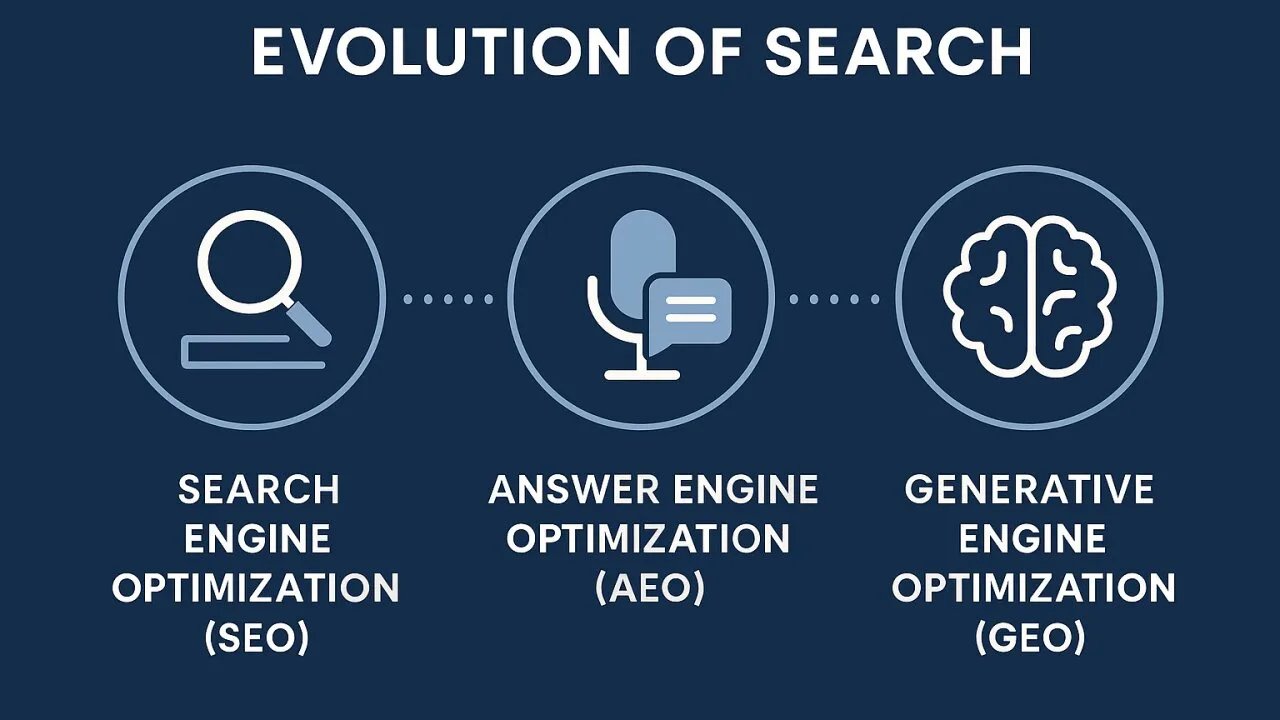
Search behavior has changed dramatically. Now users want answers, not links. Three main forces are driving this evolution.
Generative engine optimization (GEO) prioritizes content that can be easily cited by AI models. It organizes data for large language models. Answer engine optimization (AEO) is focused on delivering short and simple answers to a question.
It tries to get the featured snippet or voice assistant response. Finally, AI summaries SEO means structuring the content in such a way that AI will be able to correctly summarize it to users.
Adapting Content for New Engines
Writing for these new engines demands a different style. Content must be definitive and authoritative. It should offer real value that AI can recognize and extract.
Focus on clarity: simple language, no jargon.
Extractable structure: Organized into orderly headings, lists and/or tables.
Focus on the essence of the question: Put the most important elements first in the text.
Cite reliable sources: Support claims to gain trust and authority.
Decoding User Intent and Audience Alignment
Knowing the “why” of a search is important. User intent keyword research reveals what is motivating a query. This knowledge enables you to develop content that meets a particular need. Content that is relevant to the intent of the audience performs better and results in higher engagement and conversion.
Categories of Search Intent
There are different types of queries for each phase of the customer journey. Knowing these phases is important for effective SEO copywriting.
Informational intent: The user is looking to find out information. Content here teaches and instructs (e.g., blog posts, guides).
Navigational intent: The user is looking for a specific site or page. The emphasis is on visibility of the brand.
Commercial intent: The user is doing research prior to purchasing. Content includes reviews, comparisons, and case studies.
Transactional intent: The user is ready to take an action. The content should make the process simple (e.g., product pages, pricing).
How to Conduct Intent-Driven Keyword Research
Organic keyword research alone is not enough anymore. It has to be intent driven keyword research. We’re not just searching for volume; we’re searching along the context of a query. This means you can find the terms that tell you a user is ready to act.
Effective Research Steps
Begin with seed topics: Identify a few core themes related to your business.
Apply keyword tools: Use a tool like search metrics or Ahrefs to identify associated queries.
Examine the SERPS: Check what kind of content is ranking for that keyword at the moment. Is this a blog post, a video, a product page?
Categorize by intent: Divide your results into the four intent groupings.
Spot the holes: Find subjects that your competition addresses poorly, or not at all.
Structuring Your Document with Semantic HTML Tags
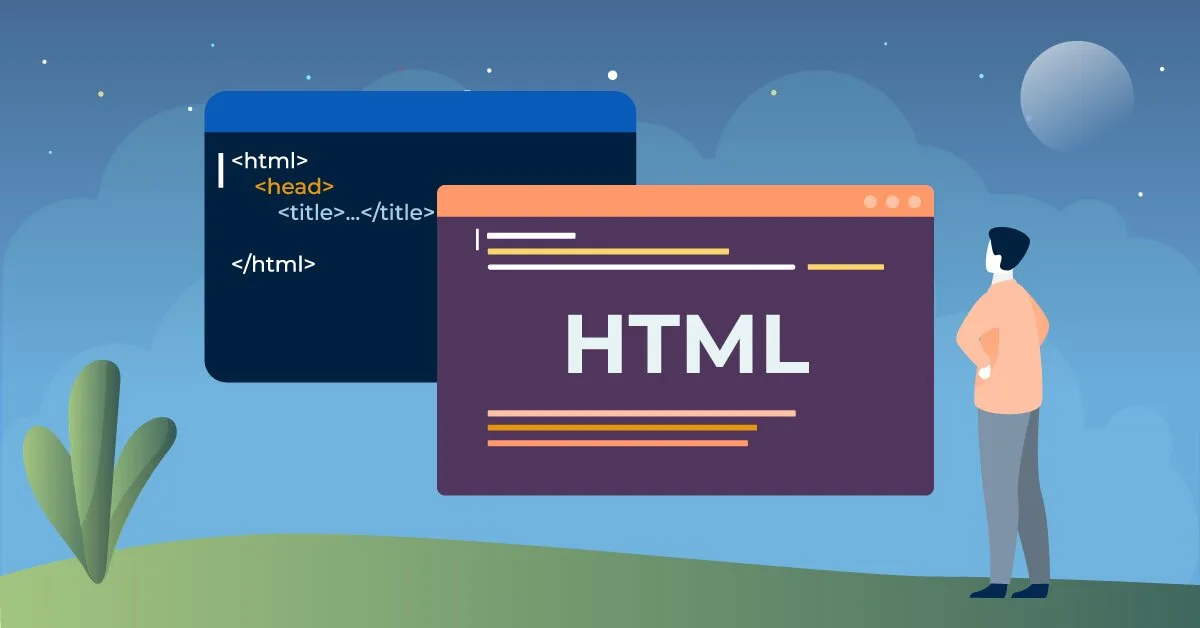
Modern content must be machine-readable. Semantic HTML SEO uses a few HTML tags that are predefined to describe content. This makes it easier for AI and search engines to know what each part of a page means, structurally. This is a clear indicator of which data is more valuable to the user.
The Most Important Semantic Tags to Include
Well-formed HTML is a strong quality indicator. Accessibility and efficient crawling of content by bots. This technical foundation is a core part of any modern SEO copywriting guide.
<article>: A self-contained composition in a document, page, application, or site.
<section>: To group content thematically.
<header> and <footer>: Page or section headers and footers.
<nav>: Section for navigation links.
<aside>: For related information such as a pull quotes or sidebars.
<figure> and <figcaption>: For pictures, charts, and their explanations.
Building Algorithmic Trust Through E-E-A-T
Both search algorithms and AI models emphasize trust. E-E-A-T content means Experience, Expertise, Authoritativeness and Trustworthiness. This framework is essential for coming across as authoritative. It also plays a pivotal role in gaining algorithmic trust in SEO.
How to Demonstrate E-E-A-T
Trust is built over time. It requires knowledge of the real world and a dedication to getting things right.
Showcase expertise from the field: Include case studies and hands-on experiences.
Demonstrate the author’s expertise: Include full author bios with credentials.
Earn authoritative backlinks: Get linked from authoritative, trusted sites.
Keep accuracy: Update information regularly to keep it up-to-date and accurate.
Be transparent: Make sponsorship known and list all sources.
A one-stop-shop strategy needs a partner that can handle it all. www.cemafor.com adds the creative content production part to technical SEO. We offer everything from video and graphic design to web development and analytics.
That enables brands to develop algorithmic trust in SEO in a unified multi-channel strategy. Our E-E-A-T work allows us to produce content at scale without sacrificing quality.
Bringing It All Together
A good content marketing machine is always turning out these sorts of threads. It starts with intent driven keyword research. This drives the SEO copywriting strategy of the articles and landing pages. This is all crafted using semantic HTML SEO to help you get found.
When a company combines these elements, it positions itself as an authority. It's a virtuous circle of more visibility and engagement.
www.cemafor.com makes this integration available on a single platform. We assist in the development, dissemination, and evaluation of content as a whole. You can tell a seamless narrative that satisfies both user and algorithm.
Assessing Success and ROI
You need data to customize your strategy and justify your spending. Data on performance are crucial. They indicate what to keep and what to modify. Key metrics like organic traffic, conversion rates, and keyword rankings are tracked. This is an iterative, data-centric methodology.
It transforms content marketing from a cost center to a measurable growth driver. Reporting adds visibility and helps stakeholders see the worth of what they've invested in.


