What Is SEO? The Complete Guide to SEO Content That Ranks
SEO helps websites become more visible in search results and attract the right audience. This complete guide explains how search engines work, the main types of SEO, keyword research, E-E-A-T, ranking factors, and how optimized content can turn organic traffic into customers.

What is SEO? It is the process of modifying a website to increase its visibility when people search for related keywords in search engine results pages.
Contemporary SEO involves a combination of unique content creation and technical website optimization. This post summarizes the key elements of how to do effective search marketing.
What Is SEO? A Simple Definition
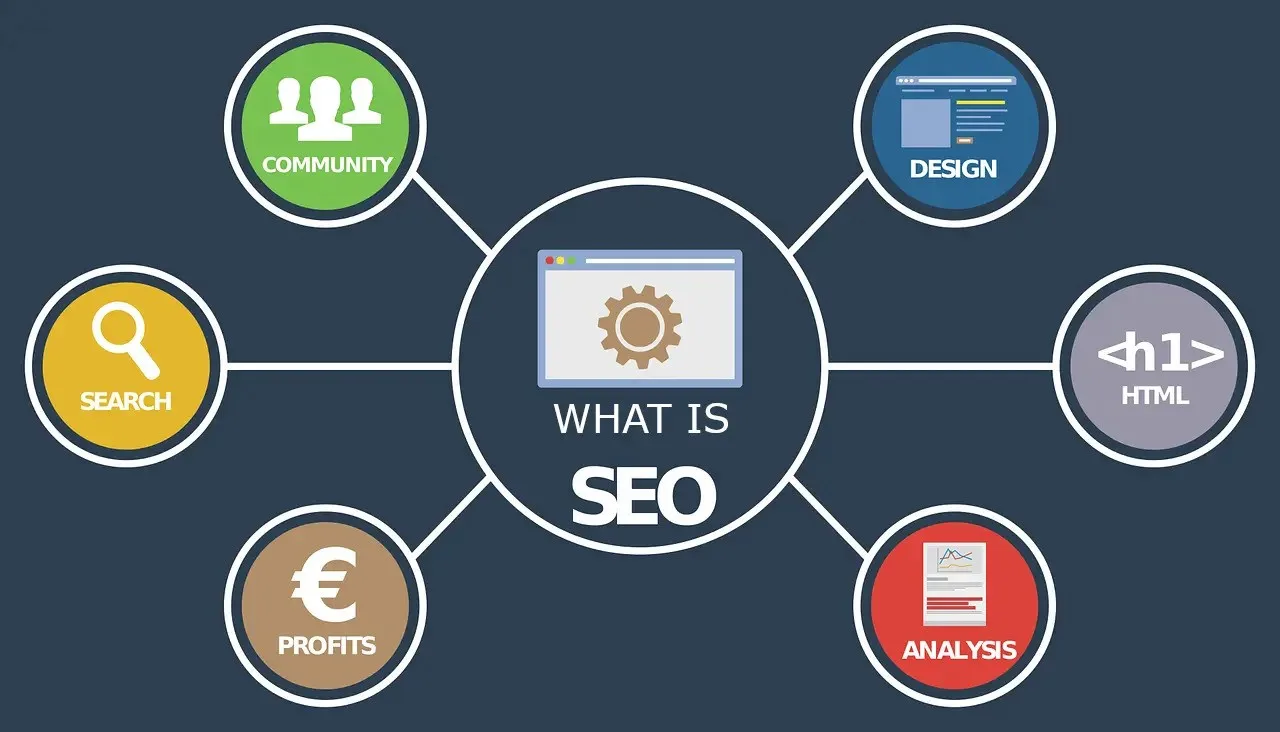
SEO is an abbreviation for search engine optimization, which is a series of techniques used to improve a site’s position. The ultimate goal is to direct free, organic traffic from result pages.
Consider SEO a sequence that connects a query from a user to a page on the web that promises to provide an answer. When done well, SEO can enable businesses to be discovered by people who are actively searching for the products they offer.
It involves understanding what audiences search for and how search algorithms work. The field continuously evolves, yet its foundation remains user-focused and intent-driven.
For a lot of companies, the question “what is SEO” is more of a talking point about content and code. SEO is the art of telling both humans and machines what your content is about. Another interpretation is that it’s an investment with a long-term return on visibility in digital.
Whatever the definition, good SEO takes time and good SEO tactics adapt to changes in the algorithm. It's not a one-time task but an enduring business function.
How Do Search Engines Work?
Search engines are complicated systems that attempt to provide the most relevant results. They use automated programs to find and index billions of web pages. These programs follow links from known pages to new URLs across the internet. The operation is extraordinarily intense on computers and complex in logic to be able to handle web scale.
Crawling, Indexing, and Ranking
Search engines have three major tasks when it comes to organizing online information.
Crawling: Bots known as spiders systematically visit websites and collect public information.
Indexing: Discovered web pages are processed and stored in an enormous database so they can be searched later.
Ranking: Algorithms determine the relevancy of pages in their index and then rank them for each query.
Crawling is an ongoing process as new content is published online. Indexing guarantees that pages are found when someone runs a related search. Ranking determines the final order shown on the results page.
These three steps form the backbone of how search engines work in delivering answers. Without these parts, then search engines would just not work as a handy tool.
How Does Google Decide What to Rank?
Google’s system of ranking considers more than 200 ‘factors’ to order pages. The algorithm favors pages that are likely to be best at satisfying a user’s information need. It also takes into account the overall trustworthiness and quality of each website.
Knowing these standards can enable content creators to make their output better aligned with the aims of Google. The guidelines are periodically updated at intervals to combat spam and to enhance user experience.
Relevance, Authority, and Experience
The basis of Google's core ranking is these three pillars.
Relevance: the page is a good match for the topic and terms in the user’s query.
Authority: That site needs to prove trusted with links and reputation.
Experience: The information should be written by someone with know-how and on the subject.
Relevance is more than just matching keywords; it is matching semantics. Authority is something that is built up, usually over time, by publishing consistently high-quality content. Experience means the creator has genuine familiarity with the topic they discuss.
Collectively, these elements assist Google in differentiating between shallow and in-depth material. They’re more likely to have a good performance on search if all three are filled.
The Four Main Types of SEO
SEO can be broken down into four types of work that, while distinct, are all related. Each type addresses different aspects of search visibility and website health. Good tactics will usually incorporate parts of all four types, although the depth of participation might vary.
Ignoring just one could leave holes in a site’s overall optimization. A holistic approach ensures that no single weakness undermines broader efforts.
On-Page, Off-Page, Technical, and Local
Each type has its place in the full stack SEO toolkit.
On-Page SEO: Enhances the content, keywords and the HTML code of the webpage.
Off-Page SEO: Enhance the authority of a website through the acquisition of backlinks.
Technical SEO: Are you making it easy enough for crawlers to crawl your site? What about your site speed and security?
Local SEO: Targets geographically specific searches, often involving Google Business Profile.
On page SEO is the practice of making individual pages on your website more relevant and easier for search engines and users to understand. Off-page SEO tries to raise the ranking of a site by garnering votes (backlinks) from other trustworthy sites.
Technical SEO takes care of the server-side elements that influence user experience and indexability. Local SEO is ideal for businesses that serve specific cities or regions.
On-Page SEO: Content, Keywords, and Structure

On-page SEO is the practice of optimizing web pages to be ranked higher and earn more relevant traffic in search engines. It applies to the visible content and also the HTML source code underneath the page.
Best practices include keyword research, identifying a target niche, meta descriptions and user-friendly URLs. Page content quality is still the #1 most important factor for page on-site SEO success.
Content Production: Write helpful, correct content that answers frequently asked questions for the audience.
Keyword Use: Use relevant terms naturally and avoid keyword stuffing or over-optimized content.
Internal Links: Link to related content within your website to better guide your audience and bots through your site.
Image Optimization: Use file names and alt attributes that are descriptive for improved accessibility.
SEO content needs to be consistent with user needs and include the factors that underpin the search intent. The layout of the page is also important, with obvious headings and a few lines of text. Good content organization results in cleaner UX and leads to longer browsing time. This trade also involves enhancing click-through rates from search snippets.
Off-Page SEO: Backlinks and Brand Authority
Off-page SEO is activity conducted away from your website to raise your site’s prominence. The most influential off page factor for SEO is to get authoritative backlinks from other trustworthy sites. Links are votes, that votes have an importance, trust, relevance in a search engine.
Link Building: A great way to start earning editorial links is by creating and promoting useful, shareable resources.
Brand Mentions: Offline citations without links can also influence authority.
Social Signals: Activity on social media websites may help with your traffic count and traffic referrals.
Influencer Outreach: Pair with industry leaders to increase content exposure.
Off page SEO once again needs time and also it needs to start forming connections with other webmasters. Guest blogging and digital PR are the best strategies for high-quality links. The point is to prove that the rest of the web thinks your content is deserving. Robust off-page work enhances the impact of on-page optimization efforts.
Technical SEO: Crawlability, Speed, and Core Web Vitals
Technical SEO pertains to the technical aspects of a website that help search engines to crawl and interpret your content. It makes a site secure, fast and easy to crawl. Even the best content can struggle to rank well without good technical SEO basics in place.
Crawlability: Make sure bots can reach all the pages that matter without running into any errors.
Site Speed: Enhance the load time to prevent your visitors from bouncing away and increasing satisfaction.
Mobile-Friendliness: Make sure your users have a good, consistent experience no matter what kind of device or screen size they’re using.
Core Web Vitals: Comply with Google's standards on Page Speed, Visual Stability and Interactivity.
Structured Data: A well-known trick to help search engines understand a page's content is to use schema markup.
XML Sitemaps: Resubmit sitemaps to better direct crawlers to new/updated content.
Frequent technical audits will allow you to spot and resolve issues before they start affecting your traffic. Strong technical SEO relies on everything from secure connections, to correct redirects, to clean code.
This area often requires collaboration with developers and system administrators. Fixing technical problems may result in huge boost in traffic.
Keyword Research and Search Intent
Keyword research is identifying the words and phrases that people are searching for information with. It also gives direction for what content should be written, based on what real users are searching for.
Search intent is just as important to understand; why someone is searching is just as important as what they’re typing. Different intent types require different content formats and approaches.
Informational Intent: The users are looking for information; write a detailed guide or a FAQ.
Navigational Intent: Users want a specific site; ensure your brand appears for branded terms.
Commercial Intent: Users are shopping for products; provide reviews and comparisons.
Transactional Intent: Users are expecting to perform an action; make sure you have plain calls-to-action and product information.
Analyzing search intent entails analyzing the current high-ranking pages for a keyword. Find out if they are articles, product pages, or videos. Match your content format to what searchers expect.
Cross reference volume and difficulty metrics to identify the best keyword opportunities with the highest value. You keep pace with evolving audience behavior through continuous research.
What Is E-E-A-T and Why It Matters
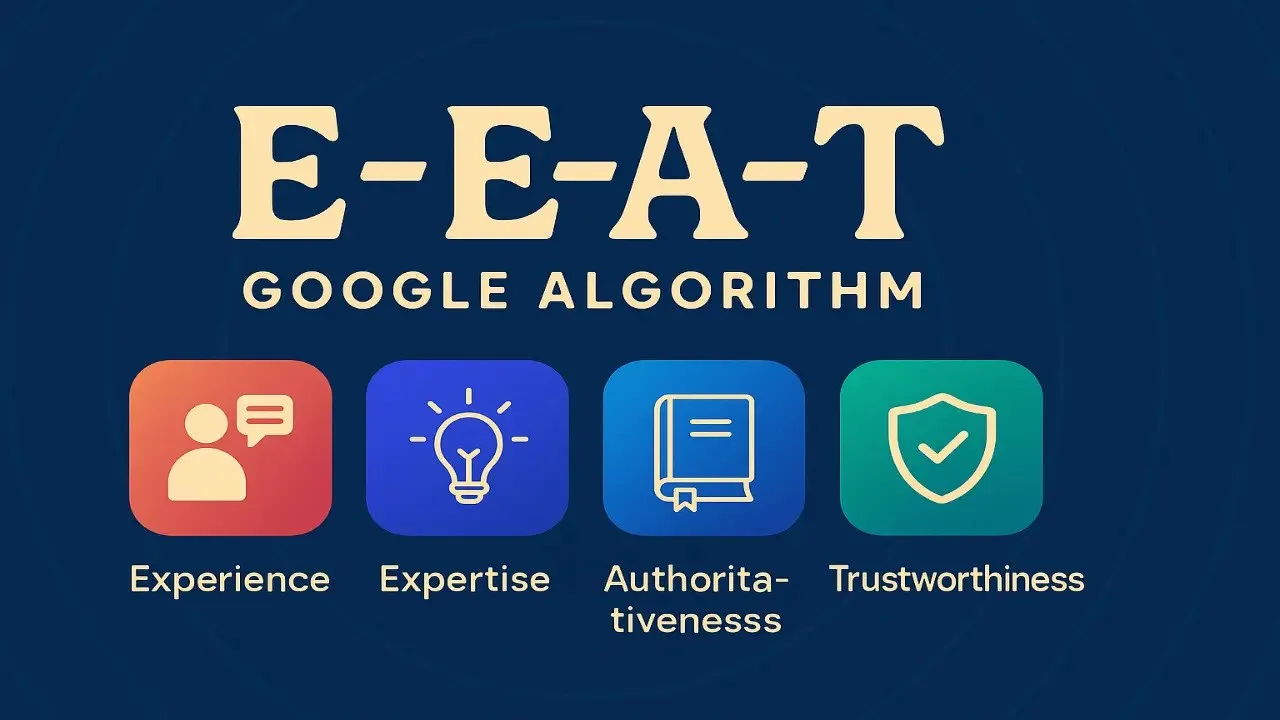
E-E-A-T refers to Experience, Expertise, Authoritativeness, and Trustworthiness. Google uses these concepts to evaluate content quality, especially for sensitive topics. Showing E-E-A-T contributes to credibility with both human users and algorithms.
Experience: Show firsthand involvement with the subject matter.
Expertise: Show credentials and knowledge about the subject matter.
Authoritativeness: Establish yourself as an expert by other experts, and trusted websites.
Trustworthiness: Be factually accurate, transparent, and secure.
Websites that exhibit strong E-E-A-T are more likely to rank well over the long term. The content should include author bios and contain citations and references to authoritative sources.
Regular updates keep the content relevant and show the company's continuous commitment to quality. E-E-A-T is a lens through which to assess overall content quality.
How SEO Content Turns Traffic Into Customers
Content that's searched for is more than just a means to getting visitors. It has to have a clear path for those visitors to take meaningful actions that align with business goals. Rather than making an immediate purchase, the road from search to buyer has multiple engagement and persuasion points.
Awareness: Blog posts and articles build awareness of the brand and its solutions.
Consideration: Guides and comparisons aid users in choosing between options.
Conversion: Landing pages and case studies promote decision and buying.
Loyalty: Customers are made to return by email newsletters and updates.
Every SEO content piece needs to have a specific objective that supports the buyer’s journey. Calls to action should be clearly visible, and should relate to the content subject. Analytics are able to track which pieces generate the best quality leads over time. Good SEO marketing is a reliable customer acquisition channel, not just a “flash in the pan”.
How Long Does SEO Take to Work?
SEO results generally take time to materialize because of the nature of search algorithms. Most programs take three to six months to deliver results. A few factors affect the timeframe, such as competition, how old the one’s website is, and how much authority already exists.
Initial Setup (1-3 Months): Site audits, keyword research and content writing are performed.
Early Signals (3-6 Months): Content indexing begins, and some ranking movement appears.
Significant Gains (6-12 Months): You can expect to see much more stable and reliable traffic with consistent effort.
Long Term Growth (12+ Months): Compound effects of accrued authority and links.
The timeline is very much dependent on the current state of the website and target industry. Super competitive niches might take longer to bring results. SEO is a marathon, and not a sprint you have to keep investing in. Monitoring intermediate indicators also assists in managing expectations for emerging phases.
SEO FAQ
This section covers some frequently asked questions about SEO (Search Engine Optimization). Well-defined answers demystify the process and inform decision-making.
Can you do SEO yourself?
Yes, many businesses start with SEO basics using available guides and tools. Self-management is possible for small sites with small budgets. However, it requires significant time, learning, and consistent application. The level of difficulty tends to be rising with site size and competing markets.
Pros: Lower cost, full control, hands-on learning.
Cons: More complex learning, slower outcomes, potential for errors.
Some choose a hybrid approach, handling some tasks in-house while outsourcing specialized areas. Automation tools can assist with rudimentary auditing, reporting and analysis. However, strategy in the advanced levels normally benefits from professional experience.
Is SEO still worth it in the age of AI search?
Indeed, simplicity is deceptive and SEO remains one of the major sources of high intent traffic. AI-driven searches tend to use the same ranking signals. Investing in SEO creates a base that functions well across a variety of search fronts. There has never been more demand for trustworthy, human-generated content.
Integration: Search engines use AI to enhance results.
Quality of Content: Unique expertise remains irreplaceable.
Organic Traffic: SEO allows you to acquire customers organically, which is more sustainable and cost effective.
Companies that don’t invest in their SEO are losing their visibility to competitors who are more proactive. The fundamentals of SEO meaning (relevance and authority) stay constant even as technology evolves. This new focus on search features should be seen as an additive element to core SEO principles, rather than a substitution.
How much does SEO cost?
SEO pricing can fluctuate on the basis of the extent of work needed, goals, and the competitive landscape. Retainers for monthly services can go from a few hundred to few thousands of dollars. Lump sum fees for projects such as audits or other specific campaigns are also common for SEO work.
In-House: Rates for specialized personnel or contractors.
Agency Retainer: A fixed monthly fee for continued services for administration and production.
Project Fee: Flat-rate fees for audits, launches, or entity-specific work.
Subscriptions for Tools: Regular (usually monthly) fees for software and data platforms.
Prices vary based on services taken such as link building or content writing. More budget typically means more aggressive strategies and quicker results. Cemafor provides customizable packages to suit your business requirements and objectives.
www.cemafor.com integrates content creation, technical execution and performance analysis under one roof. Some customers say professional management services are a good value.


